- No products in the cart.



Natural Gas Detector for NYC Local Law 157

08
Sep
NYC Local Law 157: The Natural Gas Detector Mandate Explained (2027 Deadline, Devices, Placement)
Updated September 2026 · For NYC landlords, co-op and condo boards, property managers, superintendents, and homeowners with gas appliances
If a building in New York City has gas service, it will need natural gas detectors by January 1, 2027. That is the short version of Local Law 157. The longer version involves a specific UL standard, precise placement rules, a licensing requirement for hardwired units, and a paperwork duty for owners. This guide walks through all of it in plain English so you can buy the right device, install it correctly, and document compliance before the deadline.
Key takeaway
Every NYC residential building with gas piping or gas service must have a UL 1484 (or UL 2075) listed natural gas alarm in every room with a gas-burning appliance by January 1, 2027. Battery and plug-in models can be installed by owners or staff; hardwired models require a licensed electrician.
What is Local Law 157?
Local Law 157 of 2016 amended the NYC Housing Maintenance Code and Building Code to require natural gas detecting devices in residential buildings. The law was passed in response to two deadly gas explosions: the 2014 East Harlem blast that leveled two buildings and the 2015 East Village explosion that destroyed three. In both cases, occupants smelled gas before the incident, but there was no alarm to force a fast evacuation.
The law itself could not take effect until a national standard for residential gas detectors existed. That standard, NFPA 715 (Standard for the Installation of Fuel Gases Detection and Warning Equipment), was published in its 2023 edition. The NYC Department of Buildings then adopted the implementing rule, 1 RCNY §908-02, on February 14, 2024. That rule is where the specific device, placement, and installer requirements live. Read the DOB rule.
Who must comply
The mandate covers three categories of residential buildings, as long as the building has gas piping or gas service:
- Private dwellings — one- and two-family homes.
- Class A multiple dwellings — permanent residences with three or more units, including rental apartment buildings, co-ops, and condos.
- Class B multiple dwellings — transient occupancy such as hotels, dormitories, rooming houses, and lodging houses.
Buildings with no gas service at all are exempt. If your building is fully electric, Local Law 157 does not apply, though NYC's existing smoke alarm and carbon monoxide alarm requirements still do.
For co-ops and condos, the responsibility typically falls on the board or managing agent for common areas and on the building as owner for in-unit compliance, depending on the governing documents. Boards should confirm their approach with counsel and communicate it to shareholders and unit owners early.
The deadline: January 1, 2027 (and why it moved)
The original compliance date was May 1, 2025. In 2025, the City Council passed Int. 1281-A, postponing the requirement to give owners more time to source compliant devices and, for hardwired installations, to schedule licensed electricians. HPD formalized January 1, 2027 as the compliance date in December 2025, and DOB confirmed on June 15, 2026 that the date is final.
Treat January 1, 2027 as firm. There is no indication of a further extension, and with roughly a million gas-served units in the city, contractor availability will tighten as the date approaches. Owners who wait until Q4 2026 for hardwired installs may struggle to get permits and electricians scheduled.
Which natural gas detector to buy
UL 1484 vs. UL 2075
Under 1 RCNY §908-02, a compliant device must be manufactured in accordance with NFPA 715-2023, be listed and labeled to UL 1484 or UL 2075, carry the manufacturer's name on the label, and be kept in good working order.
- UL 1484 is the residential gas detector standard. This is what most landlords, boards, and homeowners will install: a standalone or interconnected alarm that sounds locally when it senses methane at a set concentration.
- UL 2075 covers gas and vapor detectors and sensors, typically the components used in monitored or zoned detection systems tied to a control panel. It is more relevant for Class B buildings choosing a system-based approach (see below).
Check the product label, not just the marketing copy. A device that is UL "listed" for electrical safety alone is not enough; it must be listed specifically to UL 1484 or UL 2075. Combination CO/gas alarms qualify only if the gas-detection function carries the UL 1484 listing.
Battery, plug-in, or hardwired?
The power source determines who can install the device and how much the project costs.
- Battery-powered (monitored battery): Permitted in existing buildings constructed before January 1, 2024. The unit must monitor its own battery and warn when power is low. No wiring, no permit, and it can be installed by the owner, maintenance staff, or the occupant. This is the fastest path to compliance for most existing housing stock.
- Plug-in with battery backup: Also installable by the owner, staff, or occupant. Works well where an outlet sits close to the ceiling; be sure the mounting location still meets the placement rules below.
- Hardwired (AC primary with battery backup): Required for electrically powered units in new construction and any building where the owner chooses a hardwired approach. Hardwired alarms must be installed by a NYC licensed electrical contractor with the appropriate permits. Budget for both the device and the electrician's time.
Class B alternative: zoned detection systems
Hotels, dorms, and lodging houses may instead install a line-operated, zoned gas detection system designed by a registered design professional (a licensed engineer or architect) covering all public corridors and spaces. This is a larger engineering project but can be practical for buildings that already run central fire alarm infrastructure.
Where to install gas detectors
Natural gas is lighter than air, so detectors mount high, not low like some CO alarms. The DOB rule follows NFPA 715 placement:
Gas detector placement checklist
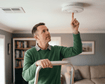
- Install one detector in every room that contains a fuel-gas-burning appliance (stove, boiler, furnace, water heater, dryer, fireplace).
- Position it 3 to 10 feet from the appliance, measured horizontally.
- Mount on the ceiling, or on a wall within 12 inches of the ceiling.
- Keep it away from windows, vents, and range hoods that could dilute gas before it reaches the sensor.
- If the room is too small to allow 3 feet of clearance, or the manufacturer's instructions or NFPA 715 specify a different location, follow those instructions instead.
- Test the alarm after installation and log the date, location, and model for your records.
A typical NYC apartment with a gas range and no other gas appliance needs one detector in the kitchen. A house with a gas stove, a gas boiler in the basement, and a gas dryer in a separate laundry room needs three.
Owner duties: notices and occupant information
Installing the device is only part of compliance. Owners must also:
- Post a notice in a common area of the building explaining the gas detector requirement.
- Provide written information to at least one adult occupant in each unit covering the risks of gas leaks and carbon monoxide, how to test and maintain the alarm, what to do when it sounds, the device's useful life, and who is responsible for replacement.
Many owners fold this into the same annual notice used for smoke and CO alarms. Keep a copy of the notice and a distribution record; if HPD asks, you want a paper trail.
Penalties for non-compliance
Missing gas detectors are enforced by HPD as violations, issued per unit. In a 50-unit building, that is potentially 50 separate violations. Penalties can be significant and accumulate until the condition is corrected. Beyond fines, an owner who has not installed required detectors faces greater civil liability exposure if a gas incident injures an occupant or damages property. Check current penalty schedules directly with HPD and DOB.
Quick reference: Local Law 157 requirements
| Requirement | Detail |
|---|---|
| Legal basis | Local Law 157 of 2016; DOB rule 1 RCNY §908-02 (adopted Feb. 14, 2024); NFPA 715-2023 |
| Compliance deadline | January 1, 2027 (original May 1, 2025 date postponed by Int. 1281-A) |
| Buildings covered | Private dwellings, Class A and Class B multiple dwellings with gas piping or gas service |
| Device standard | Listed and labeled UL 1484 or UL 2075; manufactured per NFPA 715-2023; manufacturer name on label |
| Location | Same room as each gas appliance; 3–10 ft horizontally; ceiling or wall within 12 in. of ceiling |
| Power | AC primary + backup for electric units; monitored battery units allowed in buildings built before Jan. 1, 2024 |
| Installer | Hardwired: NYC licensed electrical contractor with permits. Battery/plug-in: owner, staff, or occupant |
| Class B alternative | Line-operated zoned system designed by a registered design professional in all public corridors and spaces |
| Owner duties | Common-area notice; written information to at least one adult per unit |
| Enforcement | HPD violations per unit; civil liability exposure after an incident |
Compliance checklist
Before January 1, 2027
- ☐ Confirm the building has gas service (if not, you are exempt).
- ☐ Count every room with a gas-burning appliance across all units and common areas.
- ☐ Choose UL 1484 alarms (battery or plug-in for pre-2024 buildings; hardwired where required or preferred).
- ☐ If hardwired, book a NYC licensed electrical contractor and pull permits now.
- ☐ Install per the placement rules and test each unit.
- ☐ Post the common-area notice.
- ☐ Distribute written gas/CO safety information to at least one adult per unit and keep a record.
- ☐ Log model numbers, install dates, and useful-life dates for future replacement.
How WholesaleHome can help
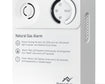
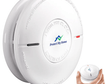
For the majority of NYC buildings covered by Local Law 157 (anything built before January 1, 2024), a monitored battery-powered gas alarm is the simplest compliant option: no electrician, no permit, and installable by your own staff or the occupant. Our recommended unit for exactly that situation is the Protect My Home Natural Gas Detector.
Protect My Home Natural Gas Detector – 10-Year Battery, Wall/Pipe Mount
- ETL Listed to UL 1484 — the residential natural gas alarm standard named in 1 RCNY §908-02.
- Sealed 10-year lithium battery — no outlet, no wiring, no battery swaps; keeps working during a power outage.
- Monitored battery with self-diagnostics — yellow LED and audible signal for low battery, faults, and end of service life, which satisfies the "monitored battery" requirement for pre-2024 buildings.
- Detects methane at 8% LEL — early warning well before gas reaches a dangerous concentration.
- Wall or pipe mount — the included plate mounts high on a wall within 12 inches of the ceiling, or use the cable ties to secure it to a gas pipe near the appliance; either way, keep it 3–10 feet from the appliance.
- DIY installation — owner, super, or tenant can install it in minutes, so a whole building can be brought into compliance without scheduling a licensed electrician.
Property managers and boards outfitting multiple buildings get bulk pricing, mixed-model orders (gas alarms alongside smoke alarms and combination smoke/CO alarms in one shipment), free shipping, and fast delivery throughout NYC. Call 201-351-1900 or email sales@wholesalehome.com for a volume quote, or browse the full Gas Detectors collection and the complete Protect My Home line.
Shop the UL 1484 Natural Gas Detector
Frequently asked questions about Local Law 157
When is the Local Law 157 deadline?
The compliance deadline is January 1, 2027. The original May 1, 2025 date was postponed by the City Council in 2025, formalized by HPD in December 2025, and confirmed as final by DOB on June 15, 2026.
Does Local Law 157 apply to co-ops and condos?
Yes. Co-ops and condos are Class A multiple dwellings and must comply if the building has gas piping or gas service. Boards should confirm with counsel whether the building or individual unit owners are responsible for in-unit devices.
What type of natural gas detector meets NYC requirements?
The device must be listed and labeled to UL 1484 or UL 2075, manufactured in accordance with NFPA 715-2023, and carry the manufacturer's name on the label. For most homes and apartments, a UL 1484 residential gas alarm is the correct choice.
Can I install a natural gas detector myself?
Battery-powered and plug-in alarms can be installed by the owner, maintenance staff, or the occupant. Hardwired alarms must be installed by a NYC licensed electrical contractor with the appropriate permits.
Where should a natural gas detector be placed?
In the same room as the gas appliance, 3 to 10 feet from it measured horizontally, on the ceiling or on a wall within 12 inches of the ceiling. If the space does not allow 3 feet of clearance, or the manufacturer or NFPA 715 specify otherwise, follow those instructions.
Are battery-powered gas detectors allowed in NYC?
Yes, in existing buildings constructed before January 1, 2024, monitored battery-powered alarms are permitted. Electrically powered units must have AC primary power with battery backup.
This article is for general informational purposes only and does not constitute legal advice. Requirements are summarized from NYC DOB 1 RCNY §908-02, NFPA 715-2023, and HPD guidance as understood in September 2026. Verify current requirements with the NYC Department of Buildings and HPD before making compliance decisions.